Ceylon cinnamon
A
A Miracle Gift From Nature
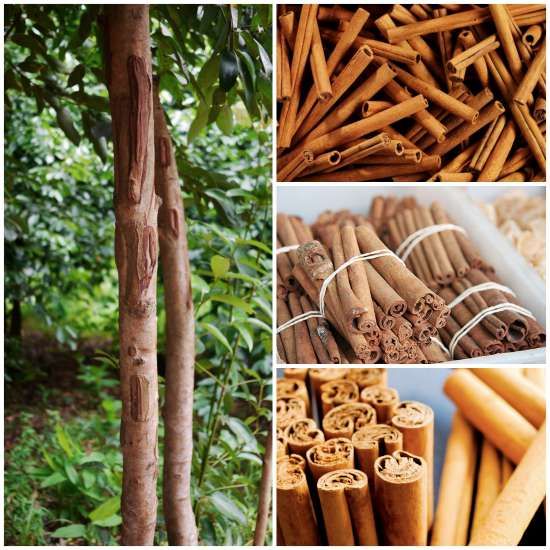
Ceylon Cinnamon stands as one of nature’s finest gifts — fragrant, pure, and full of natural goodness. Grown and carefully hand-processed in the tropical climate of Sri Lanka’s southern coastal belt, it is recognized as the world’s true and original cinnamon. Unlike common cassia varieties, Ceylon Cinnamon is delicate in texture, golden-brown in color, and naturally sweet in taste.
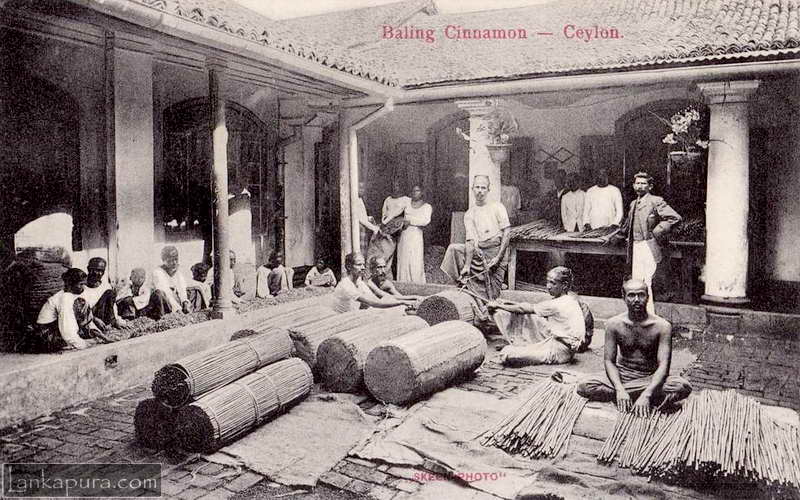
Every stick is meticulously hand-rolled by skilled artisans who preserve centuries-old traditions passed down through generations. Packed with powerful antioxidants, anti-inflammatory compounds, and essential oils, Ceylon Cinnamon not only enhances flavor but also supports overall wellness — promoting heart health, balancing blood sugar levels, and boosting immunity.
H
History Of Ceylon Cinnamon
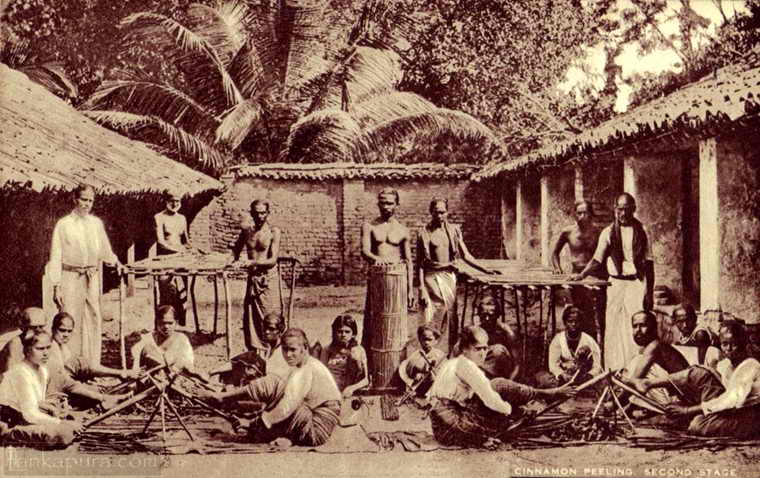
The history of cinnamon dates back as far as 1400 B.C., with the first reference to Ceylon cinnamon found in the late tenth-century book “Aja’ib al-Hind” by Burzug ibn Shahriyar. Portuguese historian Diogo do Couto noted that during the reign of the Great Parakramabahu, King of Sri Lanka (1236 – 1270 A.D.), the island was already renowned for its fine quality and abundance of cinnamon.
The Dutch initiated the systematic cultivation of cinnamon in Sri Lanka, which until then had been harvested from the wild. Between 1765 and 1785, Dutch governor Iman Willem Falck began experimental cultivation in Colombo. These efforts debunked the belief that cinnamon could not be commercially cultivated, leading subsequent rulers, including the English, to expand commercial cinnamon plantations. By 1799, British Governor Frederick North had secured prime cinnamon lands in Colombo and Negombo. By 1850, Sri Lanka boasted approximately 40,000 acres of cinnamon plantations.
Despite this early success, the Ceylon cinnamon industry received minimal government support before and after Sri Lanka’s independence. Initially managed under the Department of Minor Export Crops, it later fell under the Department of Export Agriculture, which provided research and development (R&D) support for cinnamon. The National Cinnamon Research and Training Centre was subsequently established in Thihagoda, Matara, with extension and development services offered through the district offices of the Department of Export Agriculture.
By 2022, under government support, the cinnamon industry had grown significantly, with Sri Lanka exporting 18,300 metric tons of cinnamon products worth 71,716 million Rs from 36,506 hectares of land.

C
CEYLON CINNAMON vs CASSIA — The Truth Behind the Spice
Not all cinnamon is created equal. Most people don’t realize that what they buy as “cinnamon” is often Cassia, not the real Ceylon Cinnamon (Cinnamomum verum) — and the difference is life-changing.
True Ceylon Cinnamon – Nature’s Golden Gift
- 100% natural and pure, grown only in Sri Lanka.
- Low in coumarin, making it safe for daily consumption.
- Rich in antioxidants that support heart health and boost immunity.
- Known to reduce blood sugar, lower cholesterol, and improve metabolism.
- Smooth texture, golden-brown color, and delicate aroma — a mark of true quality.
Cassia Cinnamon – The Hidden Danger
Contains high levels of coumarin, a toxic compound that can cause liver damage and increase the risk of cancer when consumed often.
- Hard, dark, and coarse in texture.
- Bitter taste and pungent aroma.
- Often used as a cheap substitute, misleading consumers worldwide.
Ceylon Cinnamon is the only true cinnamon — mild, healthy, and pure.
It’s not just a spice; it’s a heritage of Sri Lanka, treasured by the world for centuries.
✨ Choose purity. Choose health. Choose RAN CEYLON — The True Ceylon Cinnamon.